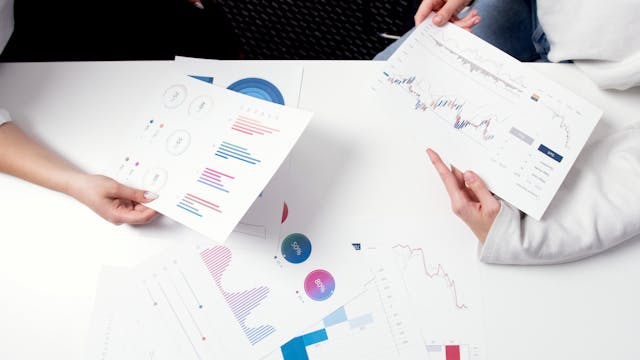
This guide lays the foundations for sustainable and analytical purchasing performance, which helps optimize costs, strengthen supplier relationships and improve decision-making.
Introduction
Measuring purchasing performance is essential for organizations aiming to optimize costs, improve supplier relationships, and ensure strategic alignment. By analyzing year-over-year trends, comparing budgets to actuals, and monitoring vendor contracts, businesses gain actionable insights into their procurement efficiency.
Tracking purchase quantities, amounts, and average prices over time reveals spending patterns and opportunities for savings. With the rise of analytical tools like Excel, Power BI, Tableau, and Python, teams can transform raw data into meaningful dashboards and forecasts.
This post explores key metrics and methods to help procurement professionals make informed, data-driven decisions.
Year-over-Year Comparisons
Year-over-year (YoY) analysis is essential for evaluating purchasing performance over time. It highlights trends in purchase quantities, total amounts, and average prices, helping identify cost-saving opportunities or inefficiencies.
By comparing current data with previous years, organizations can assess supplier consistency, price fluctuations, and demand shifts.
YoY insights also support strategic planning and forecasting, ensuring purchasing decisions align with long-term goals. Regularly reviewing these metrics empowers procurement teams to adapt quickly to market changes and improve overall performance.
Visual tools like line charts or bar graphs make these comparisons intuitive.
Budget vs. Actual Performance
Effective purchasing performance requires comparing actual expenses against budgeted figures. This analysis highlights overspending, underspending, and areas of financial efficiency.
By tracking variances monthly or quarterly, organizations can identify patterns, adjust forecasts, and improve cost control.
Integrating budget vs. actual data with purchase types and vendor performance helps pinpoint root causes of discrepancies. Ultimately, this approach supports smarter procurement decisions and enhances financial accountability.
Visual tools like Excel dashboards or Power BI reports make these comparisons clear and actionable.
Vendor Price Benchmarking
Vendor price benchmarking compares supplier costs against market standards and internal historical data. It helps identify overpriced contracts, negotiate better deals, and ensure competitive sourcing.
By analyzing unit prices across vendors and time periods, purchasing teams can spot trends and outliers.
Benchmarking also supports supplier evaluation and strengthens procurement strategy by aligning purchases with value and performance. Regular reviews ensure pricing remains fair and aligned with budget goals.
Software such as Excel or Tableau can be used to visually compare data and create matrices for vendor evaluation and selection.
Contract Monitoring
Contract monitoring ensures that purchasing agreements are executed as planned. It involves tracking key terms like delivery timelines, pricing, penalties, and renewal dates. By aligning actual performance with contract obligations, organizations can detect non-compliance early and avoid financial or operational risks.
Regular reviews improve supplier accountability and support renegotiation strategies. Effective monitoring strengthens procurement governance and ensures value for money throughout the contract lifecycle.
Power BI or Excel Dashboards help visualize contract status and alert users to upcoming expirations or missed milestones.
Purchase Quantity and Price Analysis
Analyzing purchase quantities and prices reveals spending patterns and cost efficiency. Tracking volume trends helps identify demand shifts, while monitoring average prices highlights market changes or negotiation outcomes.
Segmenting data by category or supplier uncovers opportunities for consolidation or cost reduction. This analysis supports strategic sourcing, budget planning, and performance benchmarking, ensuring purchasing decisions are data-driven and aligned with business goals.
Using Python enables automation, large data processing, statistical modeling and predictive analytics. This regular monitoring increases transparency and supports data-driven decision-making.
Conclusion
Effective purchasing performance measurement empowers organizations to make smarter, data-driven decisions. By analyzing trends, comparing year-over-year results, and aligning actuals with budgets, procurement teams can uncover inefficiencies and opportunities for cost savings.
Vendor benchmarking and contract monitoring ensure accountability and value, while tracking quantities and prices over time reveals deeper insights into spending behavior.
Leveraging analytical tools like Excel, Power BI, Tableau, and Python transforms raw data into strategic intelligence. Choosing the right tool depends on data complexity, team skills, and reporting needs. Combining them can create a robust, scalable performance measurement system.
As purchasing grows more complex, continuous performance evaluation becomes essential for agility, transparency, and long-term success.
Powered by AI – Idea, Prompt, and Revision by Nisrine LAHRECHE